Roadside Assistance Houston Experts Available Around the Clock
Expert Tire Maintenance: Get Back on the Road Safely and Quickly
Professional tire repairs play a crucial role in guaranteeing vehicle safety and performance. Skilled technicians perform detailed inspections to recognize different tire problems. From flats to alignment issues, every concern requires careful consideration. Knowing when to contact professional guidance can prevent additional issues. consult this source As drivers deal with these hurdles, they might consider about the optimal fix options and care routines. Examining these matters can result in sound choices and more secure travels moving forward.
Common Tire Issues to Know
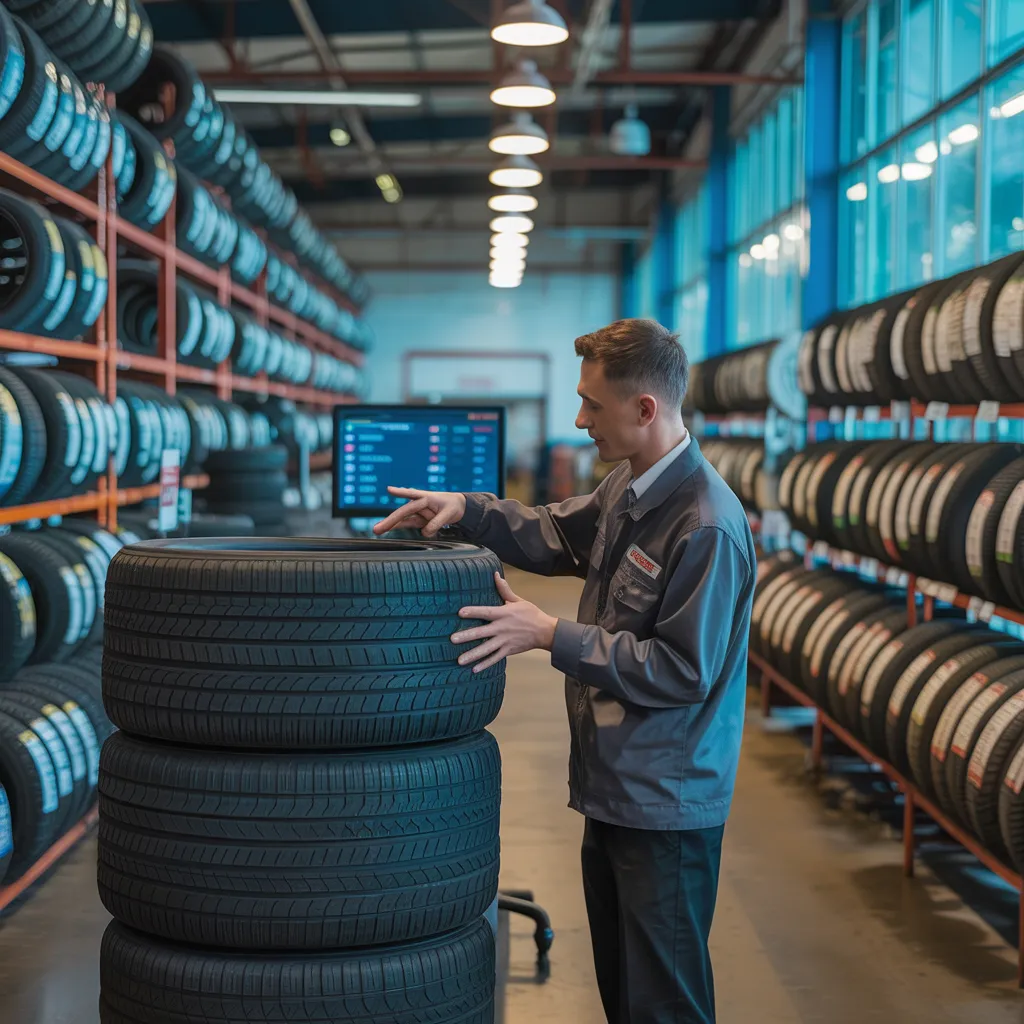
When motorists neglect to monitor their tires, they may experience several frequent concerns that can undermine safety and performance. One common problem is underinflation, which can lead to increased tire wear and reduced fuel efficiency. Over time, this can result in the tires to overheat, raising the risk of a blowout. Another common problem is tread wear, which influences traction and handling, particularly in wet conditions. Uneven wear may indicate alignment or suspension issues, requiring further inspection. Additionally, drivers may experience punctures or sidewall damage from road hazards, causing slow leaks or complete tire failure. Regular tire rotations, inspections, and proper inflation are vital for preventing these issues. Finally, climate effects can also cause tire degradation, making it vital for drivers to pay close attention to their tire health. By understanding these common problems, drivers can boost their safety on the road.
How to Figure Out When to Get Tire Maintenance?
Identifying the symptoms that tire work are important is critical for maintaining vehicle protection and performance. Drivers ought to stay alert for particular indicators that suggest tire complications. Uneven deterioration formations on the contact surface, for instance, may reveal alignment problems or insufficient inflation. Moreover, obvious damage, like gashes, bumps, or punctures, commonly requires quick response. A sudden loss of air force or recurring need for inflation also indicates that repairs may be vital.
Drivers need to watch for handling and performance changes, such as vibrations or pulling to one side, which could indicate tire imbalances or internal damage. Also, regularly checking the tread's depth is critical; tires with worn or bald spots undermine traction. By noticing these signs, drivers can secure timely repairs, boosting both safety and vehicle longevity. Dealing with these issues quickly not only guards against potential accidents but also cuts down on more extensive repair costs later on.
A Overview to Learning About the Tire Repair Workflow
The tire repair process typically involves several key steps to guarantee safety and productivity. First, a technician inspects the tire for visible damage and analyzes its full condition. This examination aids in deciding whether the tire can be repaired or needs replacement. Following the inspection, the technician may take off the tire from the wheel to uncover punctures or internal damage.
Once any issues are located, the specialist sanitizes the damaged area and readies it for restoration. This may include installing a seal or insert, depending on the type and location of the damage. After the repair is completed, the tire is reinstalled and properly inflated to the manufacturer's requirements.
Finally, a quality check validates that the repair adheres to safety standards. Throughout the workflow, technicians prioritize communication, updating the patron of observations and recommendations. This structured approach guarantees a reliable repair, permitting drivers to return to the road with peace of mind.
DIY Tire Fixes vs. Professional Help
Upon understanding the tire servicing procedure, many motorists may consider whether to handle repairs on their own or seek expert support. DIY tire fixes can be appealing, notably for those with elementary technical skills and tools. Simple perforations can often be repaired using restoration kits available at auto retail stores, saving both time and funds. However, this method carries risks if correct techniques are not employed, potentially leading to further harm or safety hazards.
On the flip side, expert tire repair providers deliver proficiency and cutting-edge equipment. Skilled technicians can precisely assess tire damage, making sure repairs remain both effective and secure. They can also uncover underlying problems that a do-it-yourself method might overlook. In the end, the choice between do-it-yourself repairs and expert help is based on the driver's self-assurance, background, and how serious the tire damage is. Formulating a knowledgeable decision is critical for keeping yourself safe on the road.
Tips for Locating the Perfect Tire Repair Service
What can drivers do to guarantee they choose the best tire service option? First, they should research community options, highlighting customer opinions and marks. This information provides knowledge into the caliber of service and reliability of various shops. Next, examining for licenses and affiliations with recognized automotive organizations can show diligence and expertise.
Also, motorists should ask about the types of repairs offered, making certain the shop can manage their particular tire concerns. Straightforward pricing is also essential; reputable shops supply transparent quotations without concealed fees.
Additionally, reviewing the shop's warranty policies on services can provide confidence. Finally, practicality matters—proximity to your home or office, as well as operation times, can impact the decision. By considering these points, drivers can with certainty opt for a repair facility that fulfills their needs with success.
Upsides of Habitual Tire Upkeep
Regular tire maintenance provides many advantages that extend the life span and performance of tires. By regularly inspecting tire air pressure, tread wear, and overall condition, vehicle owners can guarantee optimal grip and handling. Proper inflation reduces wear, improving fuel efficiency and reducing costs at the pump. In addition, regular inspections can help detect issues such as irregular deterioration or harm, enabling for prompt fixes that prevent more significant problems down the road.
Properly maintaining tires also enhances safety by cutting down the risk of punctures or accidents from insufficient tread. Also, a well-kept set of tires results in a smoother ride, improving comfort for both the driver and passengers. When individuals devote time to regular tire care, they can maximize the value of their investment, ensuring reliable performance and peace of mind during driving. In conclusion, regular tire maintenance is a vital part of responsible vehicle ownership.
Strategies for Steering Clear of Future Tire Problems
Being active in tire maintenance can significantly reduce the chance of upcoming issues. Regularly inspecting tire pressure is essential; underinflation can cause early wear and reduced fuel efficiency. It is advisable to inspect tires for apparent harm, such as cuts or bulges, which may indicate structural problems. Turning tires every 5,000 to 8,000 miles helps ensure uniform wear, extending their lifespan.
Moreover, maintaining correct alignment and balance is important to prevent uneven tread wear. Drivers should also examine tread depth, using the penny test as an simple method; if Lincoln's head is visible, it's time for a replacement. Finally, avoiding excessive loading can reduce excessive strain on tires. By implementing these methods, vehicle owners can enhance tire lifespan and create a safer driving experience.

Often Sought Questions
What timeframe should you expect for a typical tire repair?
A everyday tire maintenance typically needs 30 minutes to an hour timeframe subject to the severity of the damage and the type of repair necessary. Factors like technician availability and shop volume can also affect the overall duration.
Do All Tire Models Allow Restoration?
All tire types cannot necessarily be restored. As a rule, tread area punctures of passenger tires may be repairable, but sidewall damage, critical wear, or tires with various prior repairs frequently necessitate replacement to ensure safety.
What Sum Should You Anticipate to Pay for Tire Fixes?
Tire repair costs typically span from $10 to $30, contingent on the extent of damage and where. Different considerations including tire type and the service provider could determine your final cost, making prices vary.
Does Your Insurance Plan Protect Tire Repair?
Damage protection for tires differs based on your insurance plan. Certain plans provide roadside assistance or repair costs, whereas others do not this protection. It's vital for people to examine their particular policy details to determine what coverage exists for tire repairs.
How Might I Increase the Life Span of My Tire?
To extend a tire's longevity, routine upkeep is essential. This includes maintaining proper tire pressure, rotating tires frequently, ensuring proper alignment, steering clear of excessive weight, and tracking tread wear for marks of deterioration or injury.